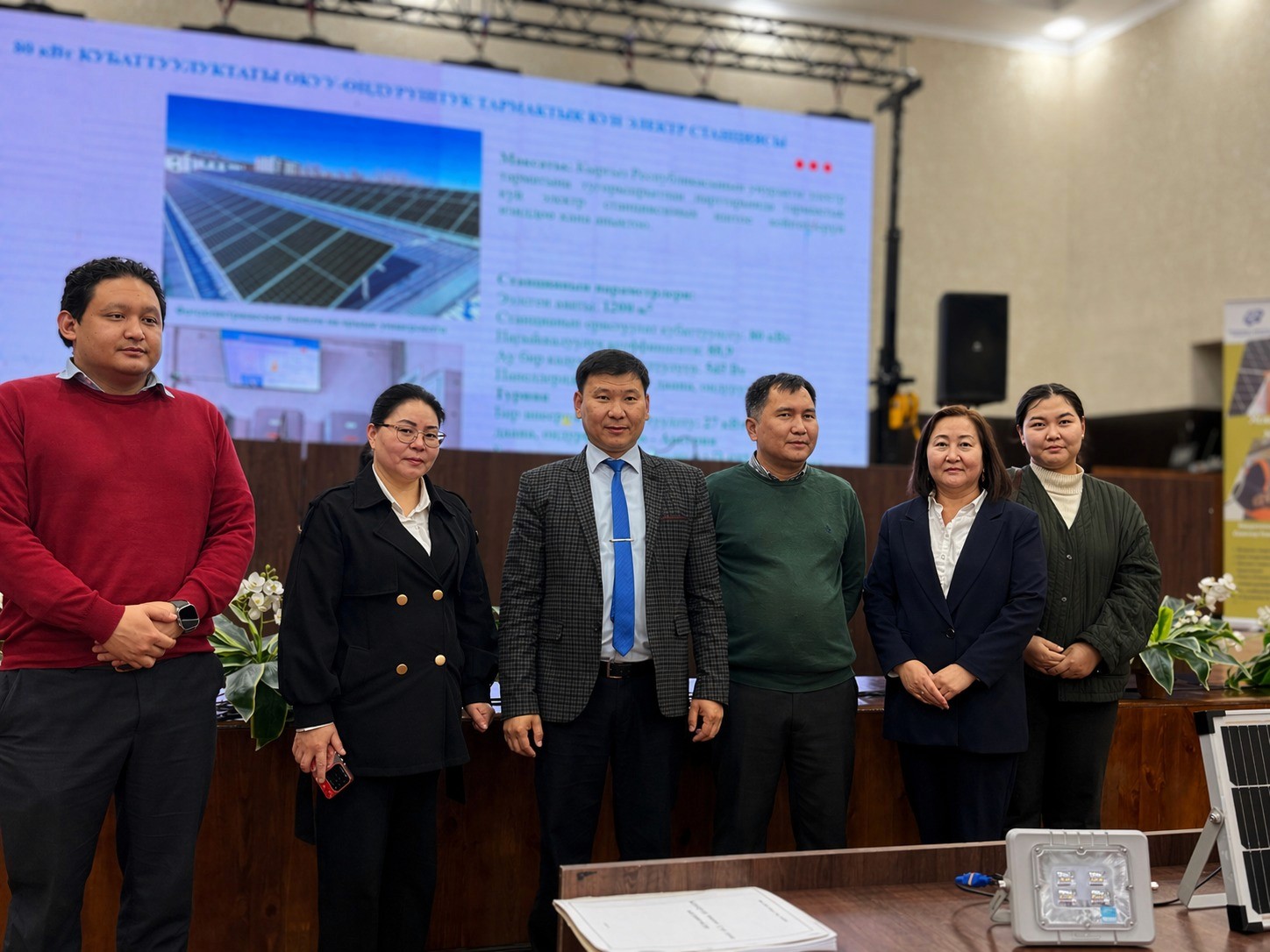
In April 2026, the Bulan Institute, together with the Kyrgyz State Technical University named after I. Razzakov, organized two practical workshops for local authorities in Kyrgyzstan to raise awareness about renewable energy and its practical use at the community level.
In April 2026, the Bulan Institute, together with the Kyrgyz State Technical University named after I. Razzakov, organized two practical workshops for local authorities in Kyrgyzstan to raise awareness about renewable energy and its practical use at the community level.
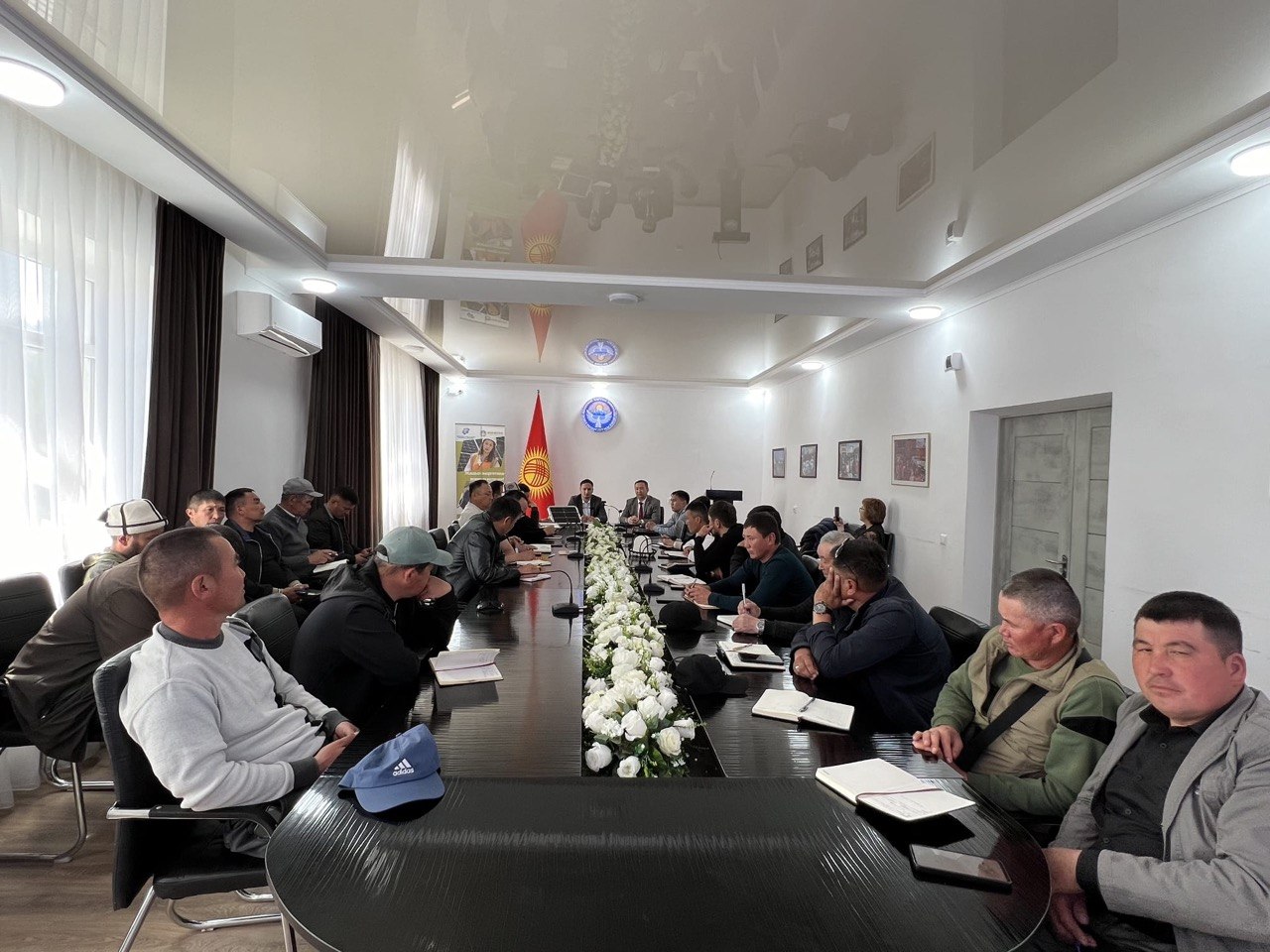
The workshops took place on 24 April 2026 at the Alamedin District State Administration in Chuy region and on 27 April 2026 at the Ak-Suu District State Administration in the Issyk-Kul region. They brought together representatives of local self-government bodies, including heads of rural municipalities, village leaders, and members of district councils.
The main objective of the workshops was to raise awareness and make renewable energy more accessible, understandable, and relevant to local communities. While the green transition is often discussed at the national or international level, its implementation depends greatly on informed local leadership. Municipal authorities are often the first point of contact for communities and play an important role in identifying local needs, guiding development priorities, and supporting practical solutions.
The main objective of the workshops was to raise awareness and make renewable energy more accessible, understandable, and relevant to local communities. While the green transition is often discussed at the national or international level, its implementation depends greatly on informed local leadership. Municipal authorities are often the first point of contact for communities and play an important role in identifying local needs, guiding development priorities, and supporting practical solutions.
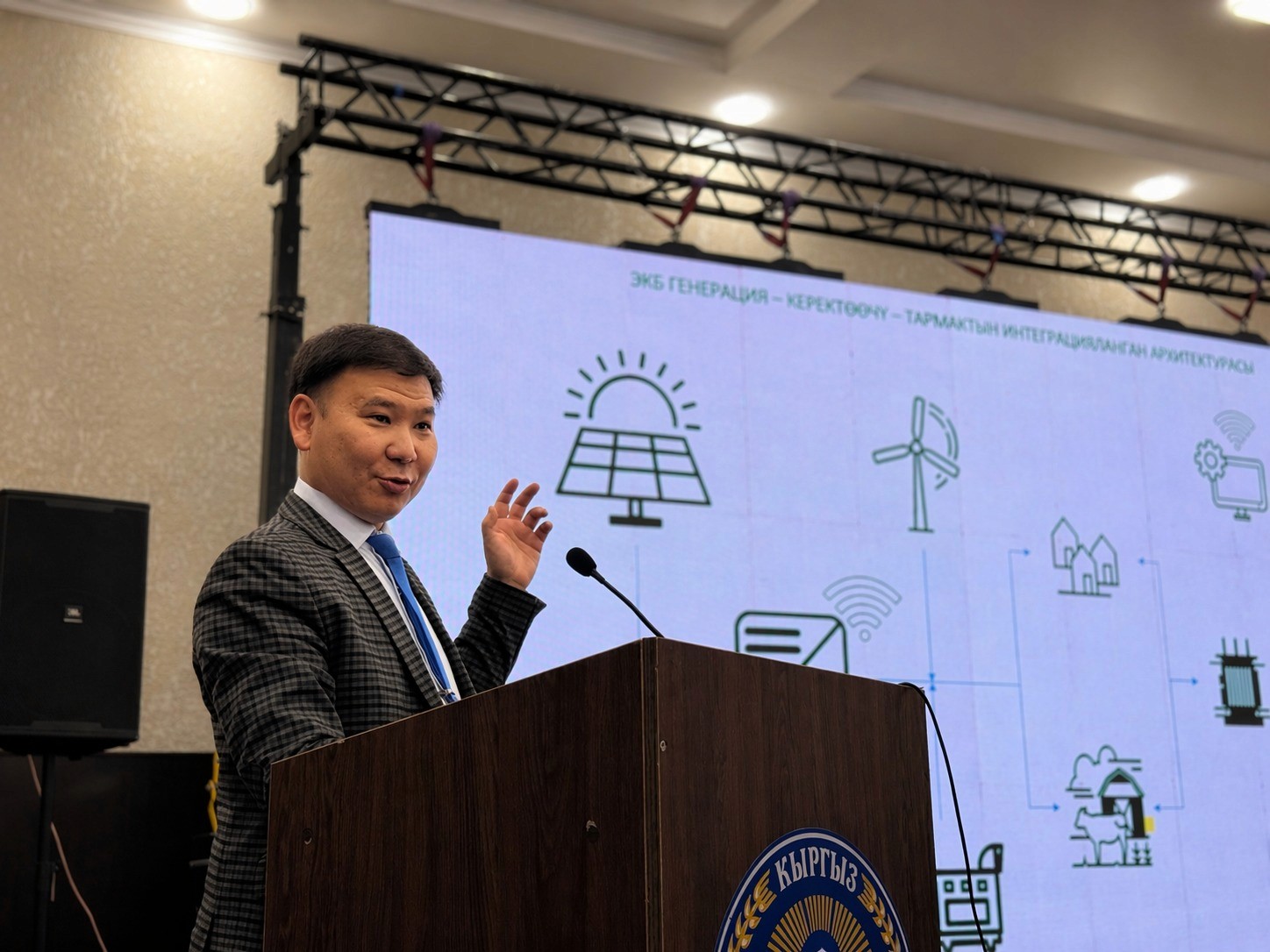
During the sessions, the focus was placed on solar energy and its potential application in everyday life. While providing general information about renewable energy, the workshops offered concrete, practical information on solar energy, including how solar panels work, how they are installed, approximate costs, who can install them, and the kind of return on investment communities can expect over time.
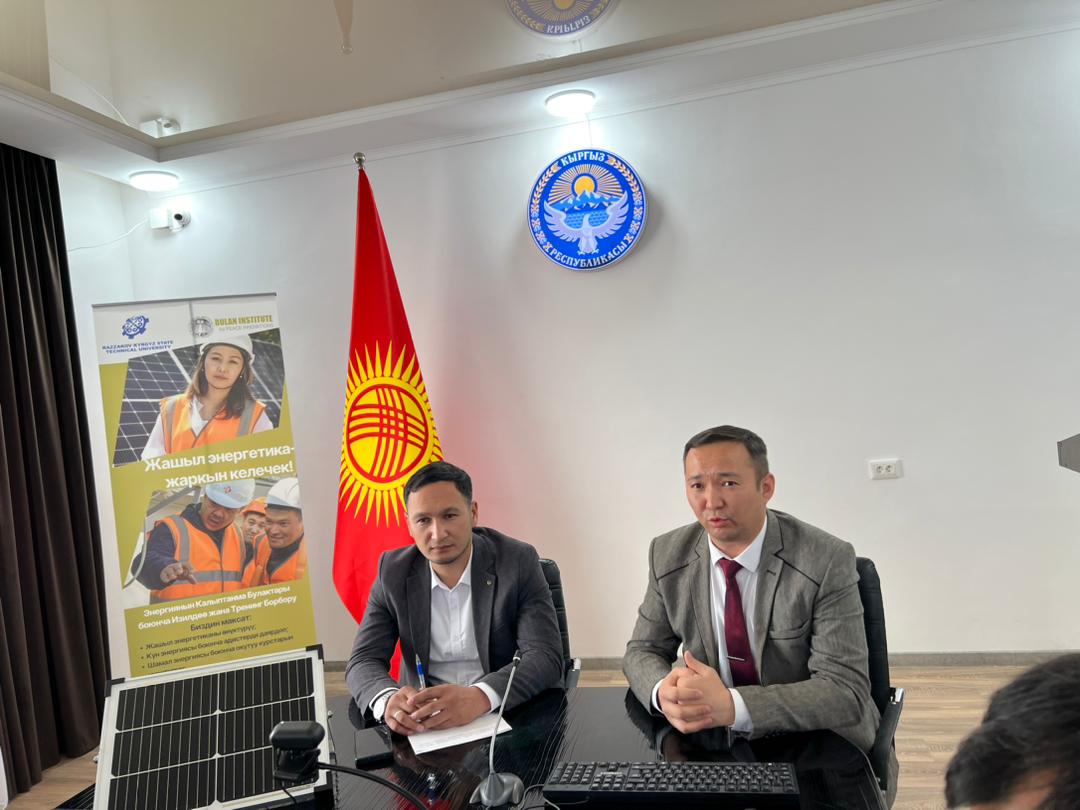
The workshops were led by Professor Ruslan Akaparaliev, Taalaibek Mederov and Professor Almaz Tyulmeshev from the Renewable Energy Department of the Kyrgyz State Technical University. They shared their technical expertise in a clear and accessible way, addressing both the opportunities and the practical challenges of solar energy adoption. Participants had the opportunity to ask detailed questions about installation, maintenance, costs, and the use of solar technologies in rural areas.
In Ak-Suu district, the workshop was opened by Mr Adilet Karypbekov, Deputy Head of the Ak-Suu State Administration, who underlined the importance of such meetings for strengthening local knowledge and supporting regional development.
One of the most encouraging aspects of both workshops was the high level of engagement from participants. Local leaders showed strong interest in solar energy and asked many practical questions. Their active participation demonstrated that communities are increasingly ready to explore renewable energy solutions, but they need accessible information, technical guidance, and confidence to move forward.
The discussions also showed that energy security begins at the local level. For rural municipalities, renewable energy is not only an environmental issue. It is also connected to household resilience, local development, public services, and the ability of communities to access affordable and reliable energy solutions.
The discussions also showed that energy security begins at the local level. For rural municipalities, renewable energy is not only an environmental issue. It is also connected to household resilience, local development, public services, and the ability of communities to access affordable and reliable energy solutions.
For the Bulan Institute, these workshops are part of a broader effort to support Kyrgyzstan’s green transition through capacity-building, awareness-raising, and practical engagement with local authorities. By working directly with district administrations, rural municipalities, and technical experts, the project aims to create a bridge between national energy priorities and the everyday realities of communities.
The green transition does not begin only with large infrastructure projects or policy declarations. It begins with informed conversations, practical demonstrations, and local leaders who understand how renewable energy can benefit their communities.
The green transition does not begin only with large infrastructure projects or policy declarations. It begins with informed conversations, practical demonstrations, and local leaders who understand how renewable energy can benefit their communities.