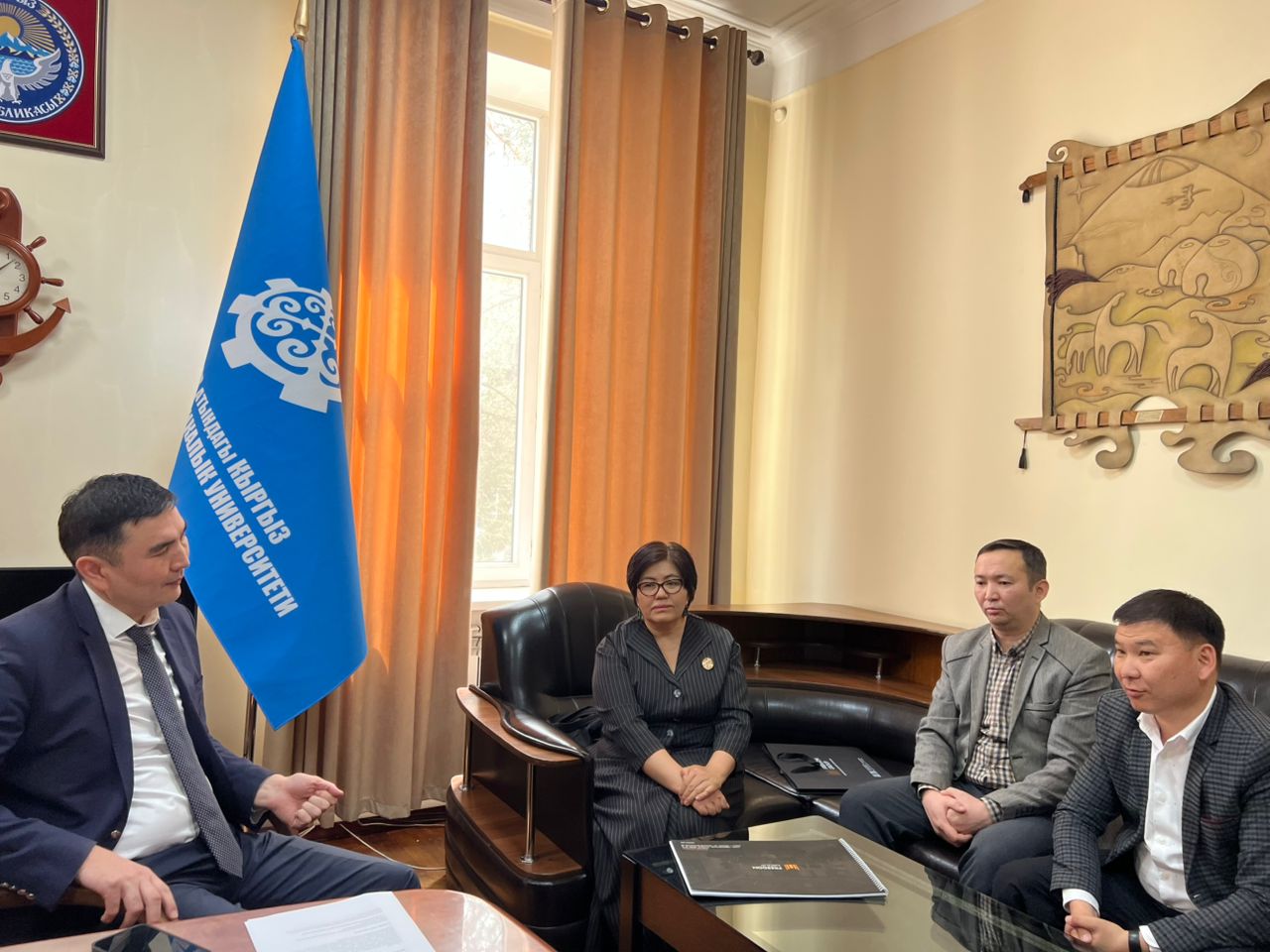
The Bulan Institute for Peace Innovations has signed two strategic agreements with national partners in Kyrgyzstan. These partnerships mark an important step in building sustainable institutional capacity and supporting the country’s transition toward a more resilient and secure energy system.
The Bulan Institute for Peace Innovations has signed two strategic agreements with national partners in Kyrgyzstan. These partnerships mark an important step in building sustainable institutional capacity and supporting the country’s transition toward a more resilient and secure energy system.
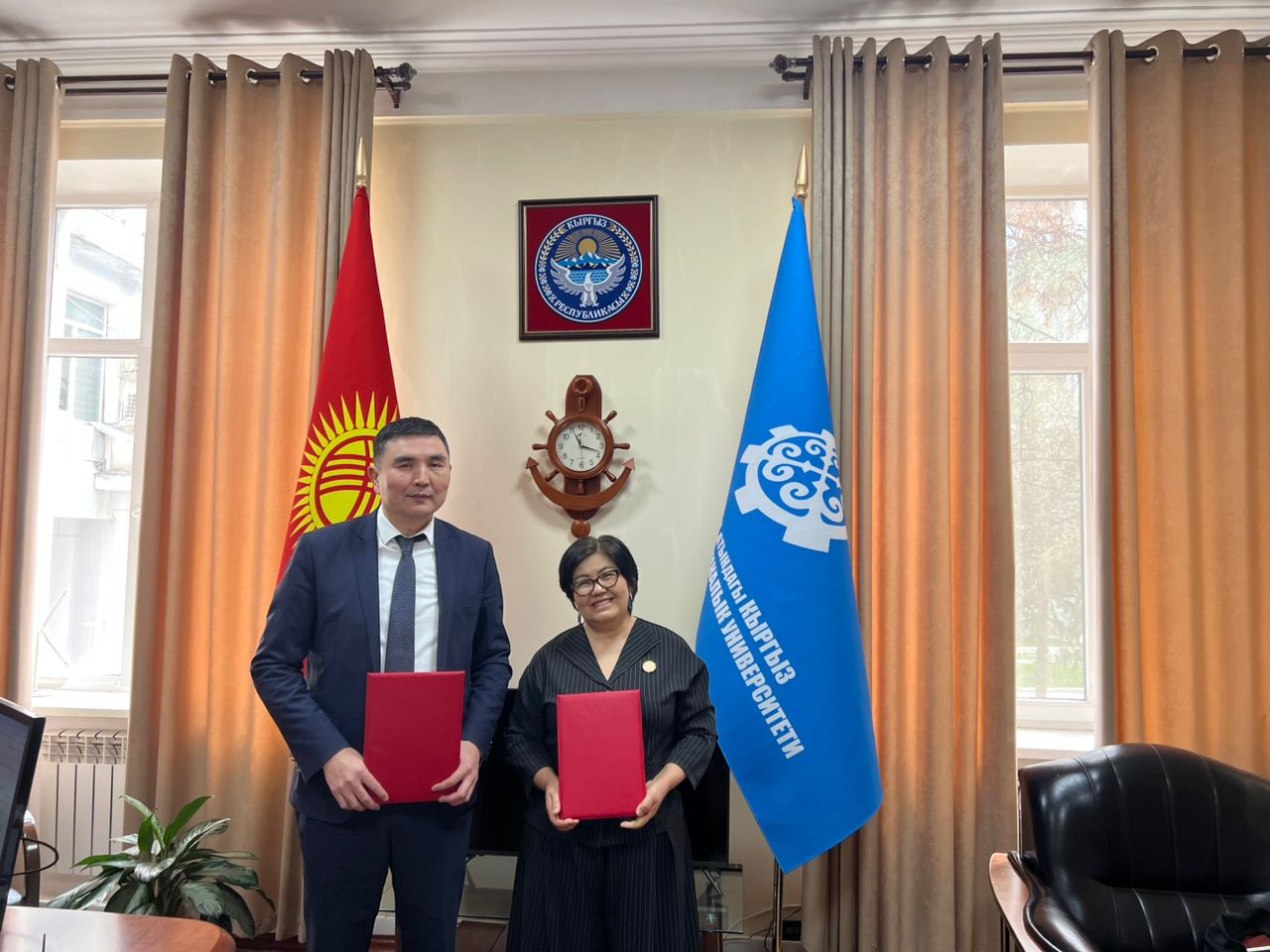
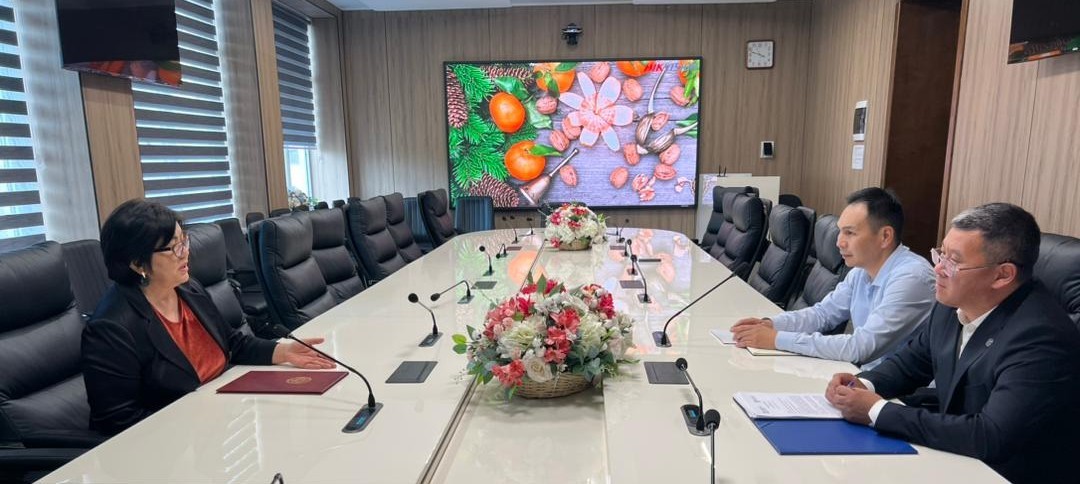
On 31 March 2026 in Bishkek, the Bulan Institute and the Kyrgyz State Technical University (KSTU) named after I. Razzakov signed an agreement to co-establish the Renewable Energy Research and Training Centre. The agreement was signed by Cholpon Orozobekova, Director of the Bulan Institute, and Mirlan Chynybaev, Rector of KSTU. The Centre serves as a long-term platform for professional training, applied research, and practical, hands-on learning in renewable energy.
By embedding training and research within a national academic institution, the initiative ensures strong local ownership and long-term sustainability. The Centre is designed to address the critical shortage of qualified renewable energy professionals by equipping specialists with job-ready skills through a combination of theoretical instruction, laboratory work, and hands-on practice.
By embedding training and research within a national academic institution, the initiative ensures strong local ownership and long-term sustainability. The Centre is designed to address the critical shortage of qualified renewable energy professionals by equipping specialists with job-ready skills through a combination of theoretical instruction, laboratory work, and hands-on practice.
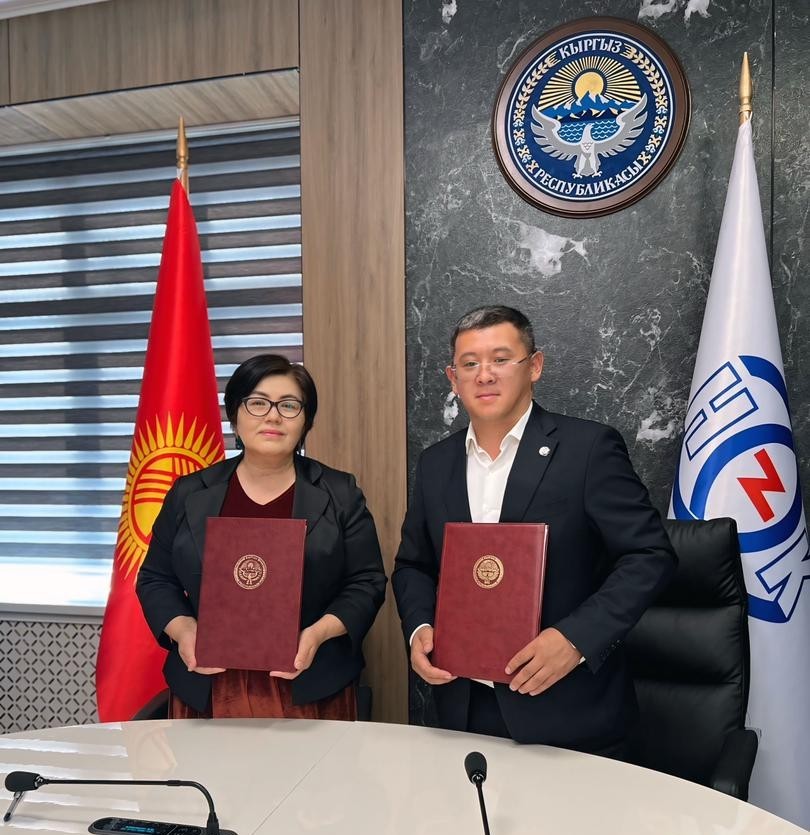
Shortly after, on 3 April 2026, the Bulan Institute signed a Memorandum of Cooperation with the National Electric Grid of Kyrgyzstan (NESK), the country’s primary electricity operator. The memorandum was signed by Cholpon Orozobekova, Director of the Bulan Institute, and Shamil Mataev, First Deputy General Director of NESK. This partnership connects training and capacity-building efforts directly with the operational needs of the national energy system.
By working closely with NESK, the Bulan Institute will ensure that training programmes are aligned with real sector demands and that renewable energy solutions are effectively integrated into existing infrastructure. This approach strengthens the relevance and impact of capacity-building efforts while supporting national priorities related to energy security and system resilience.
By working closely with NESK, the Bulan Institute will ensure that training programmes are aligned with real sector demands and that renewable energy solutions are effectively integrated into existing infrastructure. This approach strengthens the relevance and impact of capacity-building efforts while supporting national priorities related to energy security and system resilience.
Together, these agreements reflect the Bulan Institute’s integrated model, which combines training, research, and practical implementation. By engaging both academia and key national institutions, the Institute bridges the gap between skills development and real-world application, ensuring that investments in capacity-building translate into tangible outcomes.
Together, these agreements reflect the Bulan Institute’s integrated model, which combines training, research, and practical implementation. By engaging both academia and key national institutions, the Institute bridges the gap between skills development and real-world application, ensuring that investments in capacity-building translate into tangible outcomes.
This locally grounded approach—working directly with national partners, experts, and institutions—positions the Bulan Institute to deliver scalable and sustainable solutions that can be expanded across Kyrgyzstan and the wider Central Asian region.